The Most Beautiful Streets in Paris for Fashion Lovers
A slow, considered walk through the arrondissements that dress the best — the streets where the light, the architecture and the shopfronts conspire to make everyone look a little more Parisian.
By Camille Aubert · July 22, 2026 · 11 min read
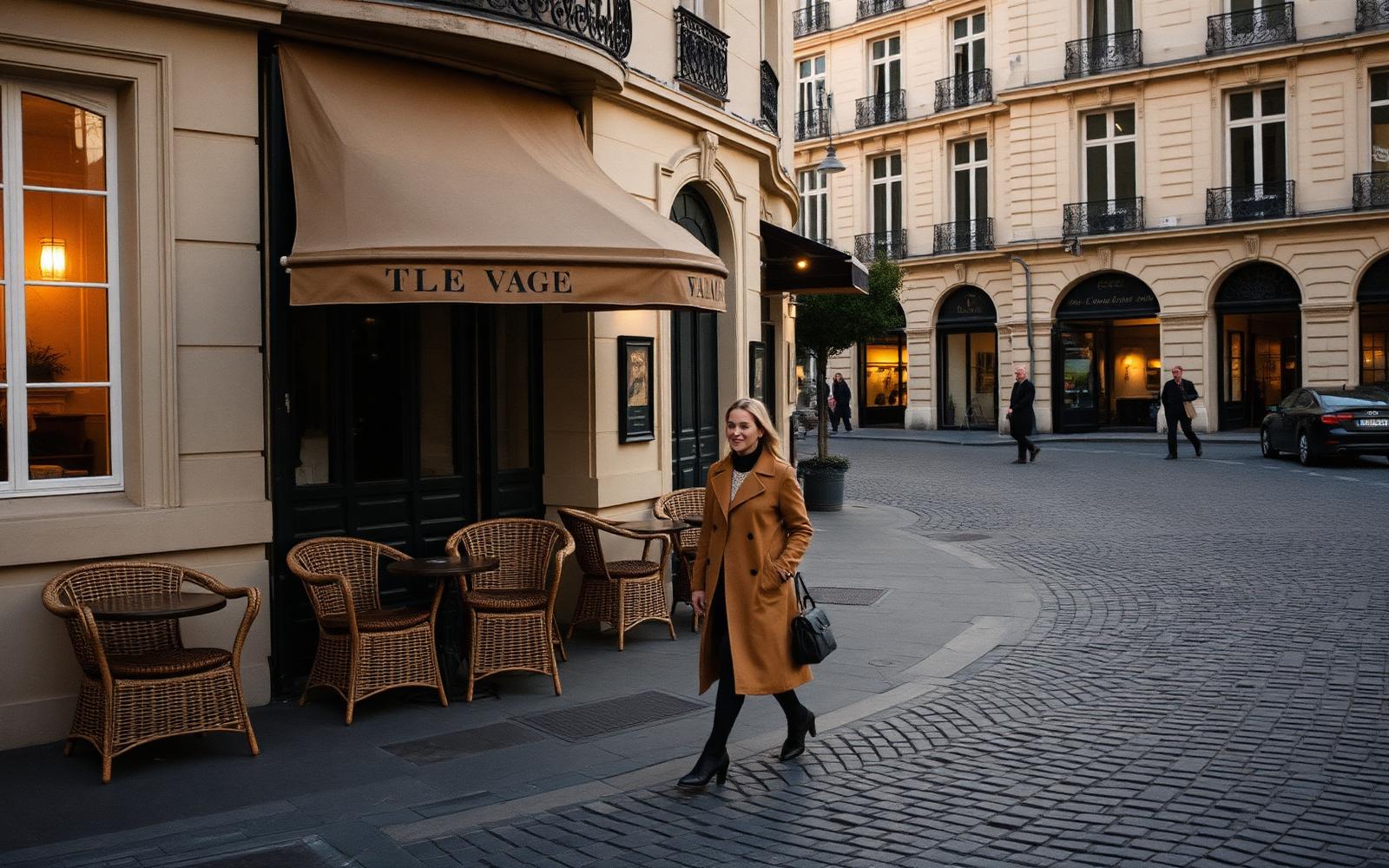
Paris is not one city but a series of streets, each with its own particular light, its own tempo, its own idea of how a woman should dress. To visit as a fashion lover is not to shop, exactly — the shopping is incidental — but to walk, slowly, and let the city teach you something about proportion, colour and restraint.
What follows is not a comprehensive guide. It is a considered edit of the streets our editors return to again and again — for the architecture, the shopfronts, the light at four in the afternoon, and the small, elegant lessons a city like Paris hands quietly to anyone paying attention.
Wear comfortable shoes. Bring a small camera. Leave the schedule at the hotel. The best days in Paris are the ones that unfold at the pace of a long lunch — and these are the streets to unfold them on.
Saint-Germain-des-Prés
Begin, always, on the Left Bank. Saint-Germain is the neighbourhood the rest of Paris is quietly measured against — literary, low-key, expensive without ever being loud. Its streets curve rather than grid, and its shopfronts have the slightly faded look of businesses that have been there for generations because they simply have.
Wander from the church of Saint-Germain itself down Rue Bonaparte, then loop back along Rue de l'Abbaye and Rue de Furstemberg — the last of which, a tiny cobbled square with four paulownia trees, is quite possibly the prettiest single spot in Paris. Sit on the bench beside the fountain. Do nothing for ten minutes.
The fashion here is old-guard European — Vanessa Bruno, A.P.C., Officine Générale, the flagship of Isabel Marant. Sézane and Rouje have their headquarters a few streets over. For books and beautiful stationery, Assouline and Ladurée's stationery counter. For the perfect linen blouse, Merci is a fifteen-minute walk across the river and worth it.
Le Marais
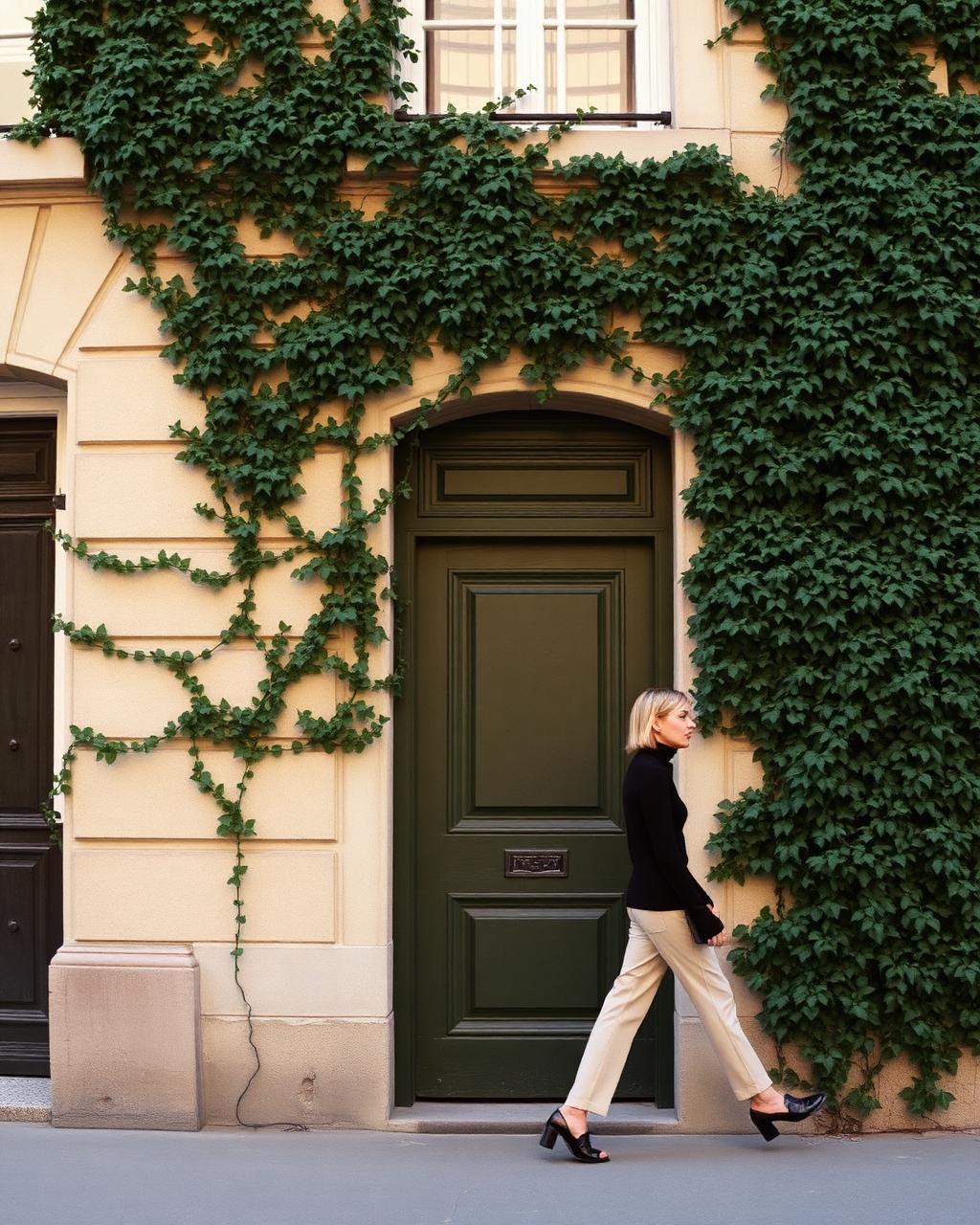
If Saint-Germain is the Paris of ideas, Le Marais is the Paris of style. The narrow medieval streets — Rue des Francs-Bourgeois, Rue Vieille-du-Temple, Rue de Sévigné — are lined with independent boutiques, quiet galleries and the kind of small, ivy-covered doorways that make you understand why the entire neighbourhood is protected by UNESCO.
Start at Place des Vosges — the oldest planned square in Paris, and still one of the most beautiful — and walk any direction. You will find yourself, within ten minutes, in front of a shopfront you have never heard of but immediately want to know. The Marais is where new Parisian designers open first; the neighbourhood has a way of separating what will last from what won't.
The photograph opportunities here are architectural: green doors, wrought-iron balconies, cobbled alleys where the light comes in slanting. Come on a Sunday, when much of the rest of Paris is closed — the Marais keeps its shops open, and the streets are unusually full of well-dressed locals.
The Palais Royal
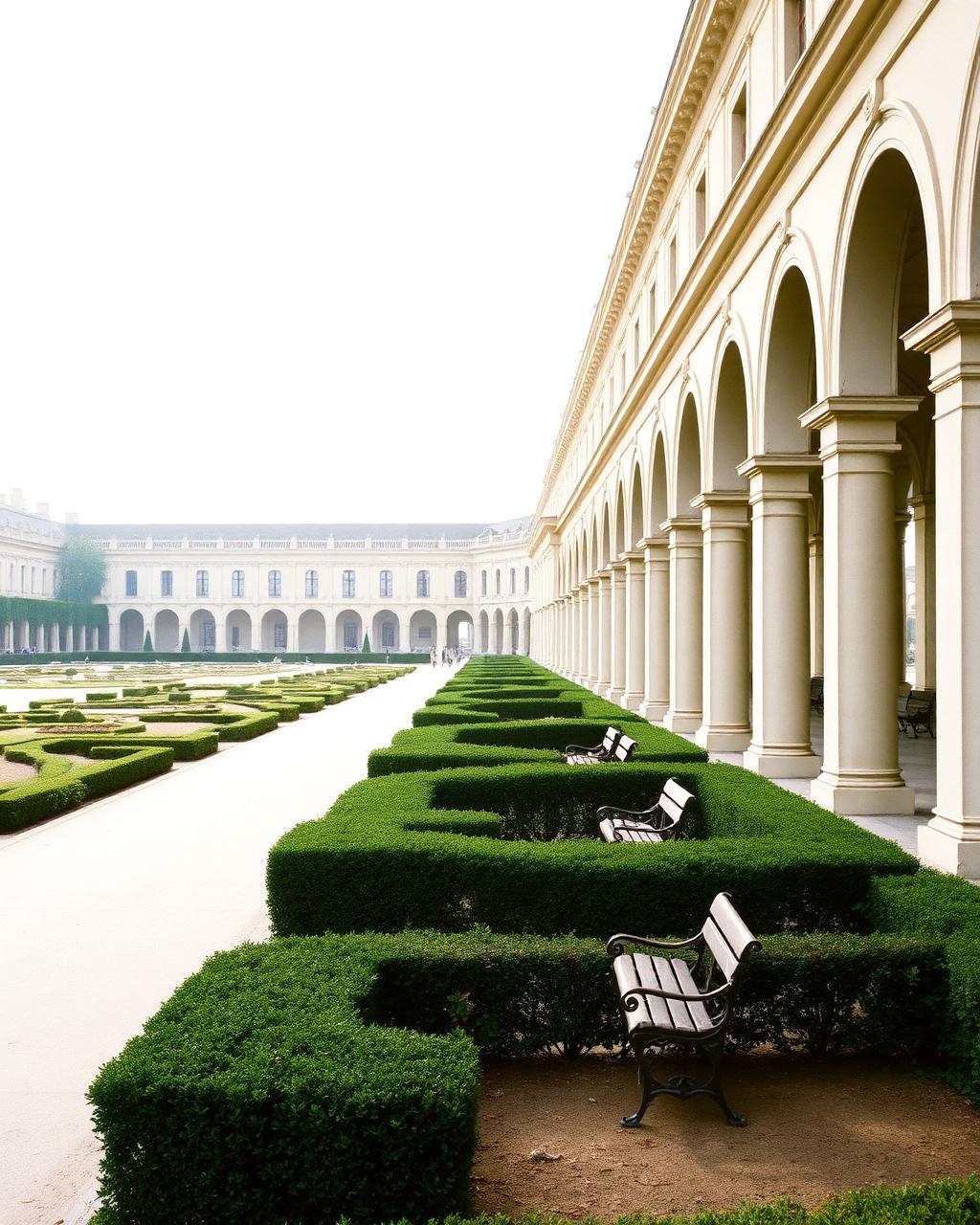
Slip through the arcade off Rue Saint-Honoré and the city changes register entirely. The Palais Royal — the courtyard, the arcades, the black-and-white striped Buren columns, the perfectly clipped hedges — is one of those places that photographs better than any postcard suggests.
It is also, quietly, one of the great shopping streets in Paris. The arcades themselves house Rick Owens, Stella McCartney, Serge Lutens (whose flagship perfumery is unlike any other), Didier Ludot's exquisite vintage couture, and Kitsuné at one end. There is a Café Kitsuné for coffee and a bench under an arch for reading.
Come in the early morning if you want the courtyard to yourself. Come at dusk if you want it lit like a stage. Either way, this is the most editorial spot in Paris — it is where every third fashion shoot in the city inevitably ends up, and it is impossible to take a bad picture here.
Avenue Montaigne
Avenue Montaigne is Paris at its most unashamedly luxurious — a wide, tree-lined boulevard running from the Champs-Élysées down to the Seine, lined on both sides with the flagship boutiques of Dior, Chanel, Louis Vuitton, Valentino, Céline, Loewe, Prada and every other house you would expect. The Plaza Athénée sits in the middle of it, with its geranium-red awnings.
You do not have to buy anything. The pleasure of Avenue Montaigne is the theatre of the shopfronts — the window displays are treated as art installations, refreshed by teams of visual merchandisers most weeks. Walk the length of the avenue in the late afternoon, when the light hits the Haussmann limestone at its warmest angle, and you will understand instantly what quiet luxury is trying to imitate.
For a coffee, cross the street to the Ritz's Bar Vendôme (technically Place Vendôme, a short walk away) or step into the lobby of the Plaza Athénée itself, where a coffee costs the price of dinner elsewhere but the room is worth it.
Rue de Grenelle
Of all the streets on this list, Rue de Grenelle is the most secretly wonderful. Running quietly through the 7th arrondissement, it is a street of hôtels particuliers, embassies and the occasional discreet boutique. It has none of the tourist traffic of Saint-Germain, none of the fashion-week frenzy of Montaigne — and, precisely for those reasons, it is where the most stylish women in Paris actually shop.
The block between Rue du Bac and Boulevard Raspail is the one to walk. Sonia Rykiel, Jérôme Dreyfuss, Vanessa Bruno, Anne Fontaine, and a scattering of impossibly good vintage boutiques. Le Bon Marché is a five-minute walk away, and La Grande Épicerie next door is the finest food hall in Paris — even if you buy nothing, walk through it.
Read our companion piece: Color Combinations for Outfits: Elegant Pairings That Look Expensive — nowhere translates a palette lesson faster than an afternoon on Rue de Grenelle.
Where to stop for coffee
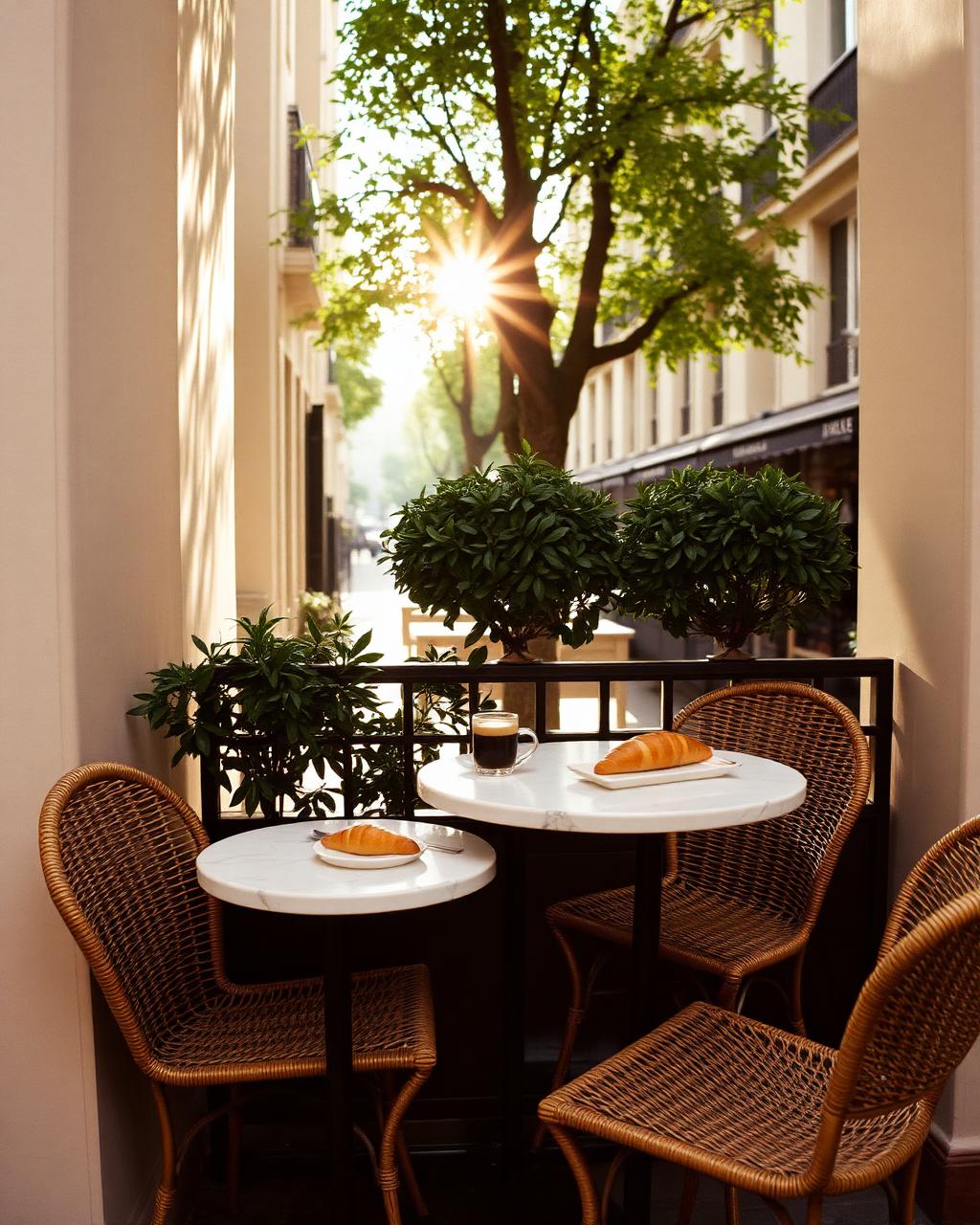
A day of walking asks for the right coffee stops. Paris has more of them than any other city, but a shortlist earns its keep. These are the ones our editors return to.
- Café de Flore — Saint-Germain, obviously, and yes it is a tourist spot. Sit inside, not out. Order a café crème and a jambon-beurre.
- Ladurée Rue Bonaparte — for a pistachio macaron and the interior alone.
- Café Kitsuné, Palais Royal — for the arcades outside and the flat white inside.
- Fragments, Le Marais — small, quiet, exceptional coffee. Everyone here looks like they work in fashion.
- Ralph's, Saint-Germain — inside Ralph Lauren's flagship. A rare hidden courtyard for a weekday lunch.
Where to shop
A short list, for the reader who wants to leave with something. Skip the department-store floors of Chanel and Dior — those you have at home. Buy what does not travel.
- Merci (Le Marais) — the linen-and-ceramic concept store every Parisian sends her friends to.
- Sézane L'Appartement (Saint-Germain) — the flagship of the label that quietly rewrote French style for a generation.
- Officine Universelle Buly 1803 (Marais) — old-world French apothecary; a bottle of their hand cream is the perfect small gift.
- Astier de Villatte (Rue Saint-Honoré) — hand-thrown white ceramics. A single plate becomes an heirloom.
- Didier Ludot (Palais Royal) — vintage couture, curated by the best-known dealer in Paris.
Hidden photo spots
The overshot corners of Paris (the Louvre pyramid, the Trocadéro) will always be there. These are the smaller, quieter frames your camera will thank you for.
- Rue de Furstemberg — the tiny square with paulownia trees behind Saint-Germain church.
- Passage Jouffroy — a glass-roofed 19th-century arcade near the Grands Boulevards.
- Rue de l'Abreuvoir, Montmartre — cobblestones and ivy, the way Paris looks on a postcard.
- Place Dauphine — a triangular square on the Île de la Cité, empty when the rest of the island is not.
- The gardens of the Palais Royal at dawn — no one there but the gardeners.
Where to stay
The choice of hotel dictates, quietly, the kind of Paris you will have. Our editors have three favourites, at three different price points.
- Le Bristol (8th) — the grand palace for a first-time visit. Impeccable service, a rose-lined courtyard, the finest garden in any Paris hotel.
- Hôtel des Grands Boulevards (2nd) — a small, beautifully designed hotel in a lively neighbourhood, at a fraction of the palace price.
- Hôtel Providence (10th) — velvet-and-brass rooms in the Canal Saint-Martin. A local's choice for a slower visit.
The trick to Paris, as with most things worth doing slowly, is to plan less. Pick two of these streets a day. Wear the shoes you can walk in. Leave time for the café you did not intend to stop at, and the small shop with the door propped open.
The city will do the rest — as it has, for the well-dressed and unhurried, for the last four hundred years.
Continue reading: Quiet Luxury Vacation Style: The Fashion Formula That Always Looks Expensive and Color Combinations for Outfits: Elegant Pairings That Look Expensive.