The Beauty Edit Guide to Capri — Luxury Hotels, Hidden Beaches & Italian Summer Style
Whitewashed alleys, lemon trees on garden walls and the particular blue of the Tyrrhenian in July — a considered guide to the island that has been drawing the well-dressed since the Roman emperors.
By Livia Marchetti · July 27, 2026 · 13 min read
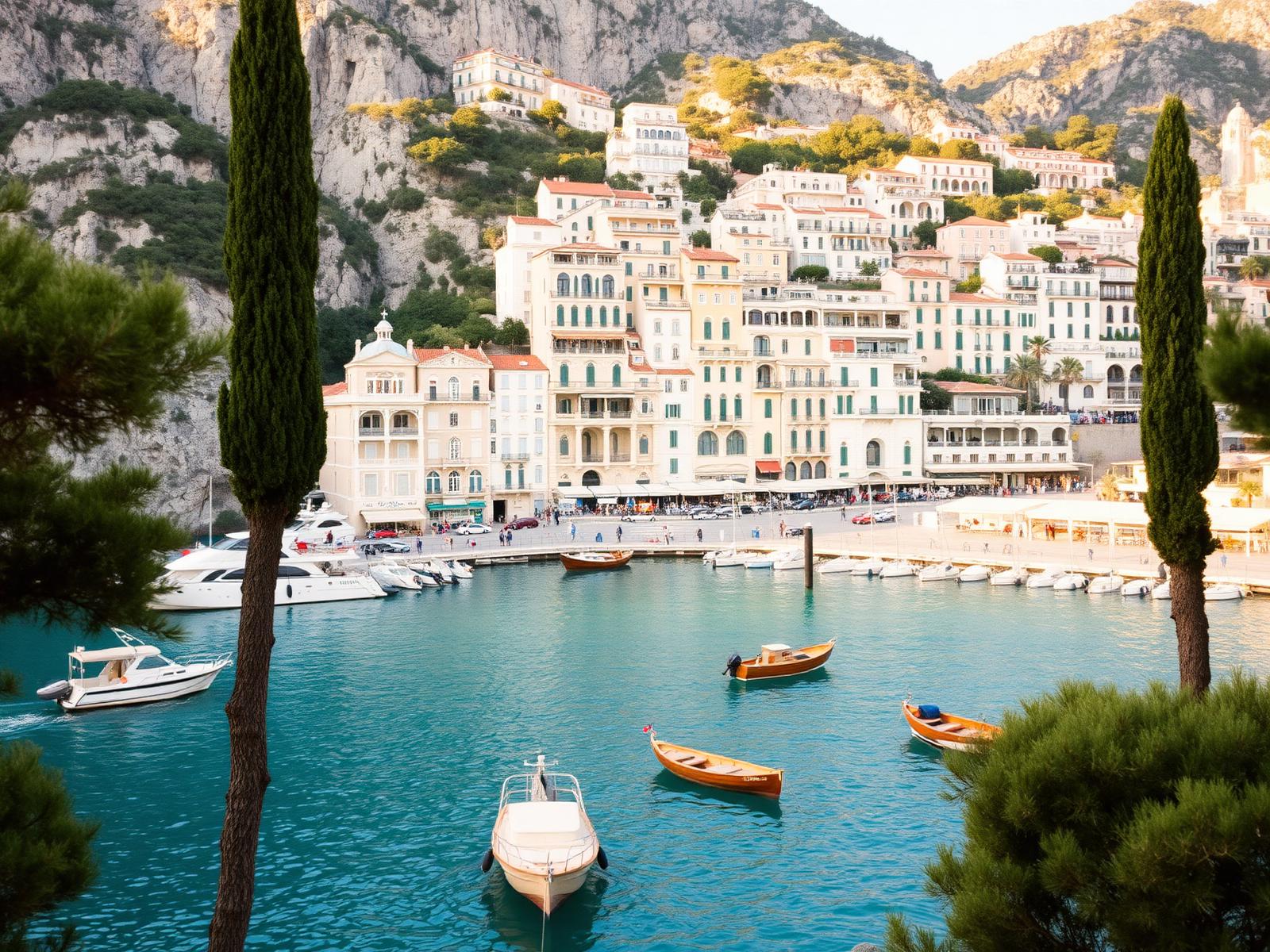
There are islands one visits and islands one falls quietly, permanently in love with. Capri, improbably, remains the second — despite the crowds, despite the day-trippers, despite its status as the most photographed rock in the Mediterranean. Its charm has survived two thousand years of visitors for a simple reason: the light is different here. It is cleaner, whiter, more forgiving than anywhere else in the south of Italy.
Capri rewards those who slow down. Stay two nights instead of an afternoon. Wake before the ferries arrive from Naples, and walk the Via Krupp or the Pizzolungo path when the island belongs, briefly, to the residents and a few well-informed guests. Have your granita at Bar Tiberio in the shade. Take a wooden gozzo boat around the coast at four, when the sun softens and the sea turns the improbable colour of a Bulgari campaign.
What follows is not a checklist. It is an edit — the hotels, the beach clubs, the small perfume boutiques, the piazzetta rituals and the quiet corners the guidebooks tend to skip. Wear white linen. Break in your sandals before you arrive. Leave the itinerary loose.
Why you'll love Capri
Capri is small — six square kilometres of limestone rising out of the sea — but it contains an entire education in Italian summer style. The island is where Jackie Kennedy wore capri pants for the first time; where Sophia Loren shopped for handmade sandals; where the Agnellis kept a boat and the Rothschilds a villa. That inheritance still shapes the mood: quiet luxury, sun-bleached elegance, an unhurried way of being.
It is also, and this is often forgotten, a place of extraordinary natural beauty. The Faraglioni sea stacks. The Blue Grotto. The gardens of Villa San Michele, hanging over Anacapri at three hundred metres. The wild Pizzolungo path that circles the island's eastern cliffs, empty by nine in the morning.
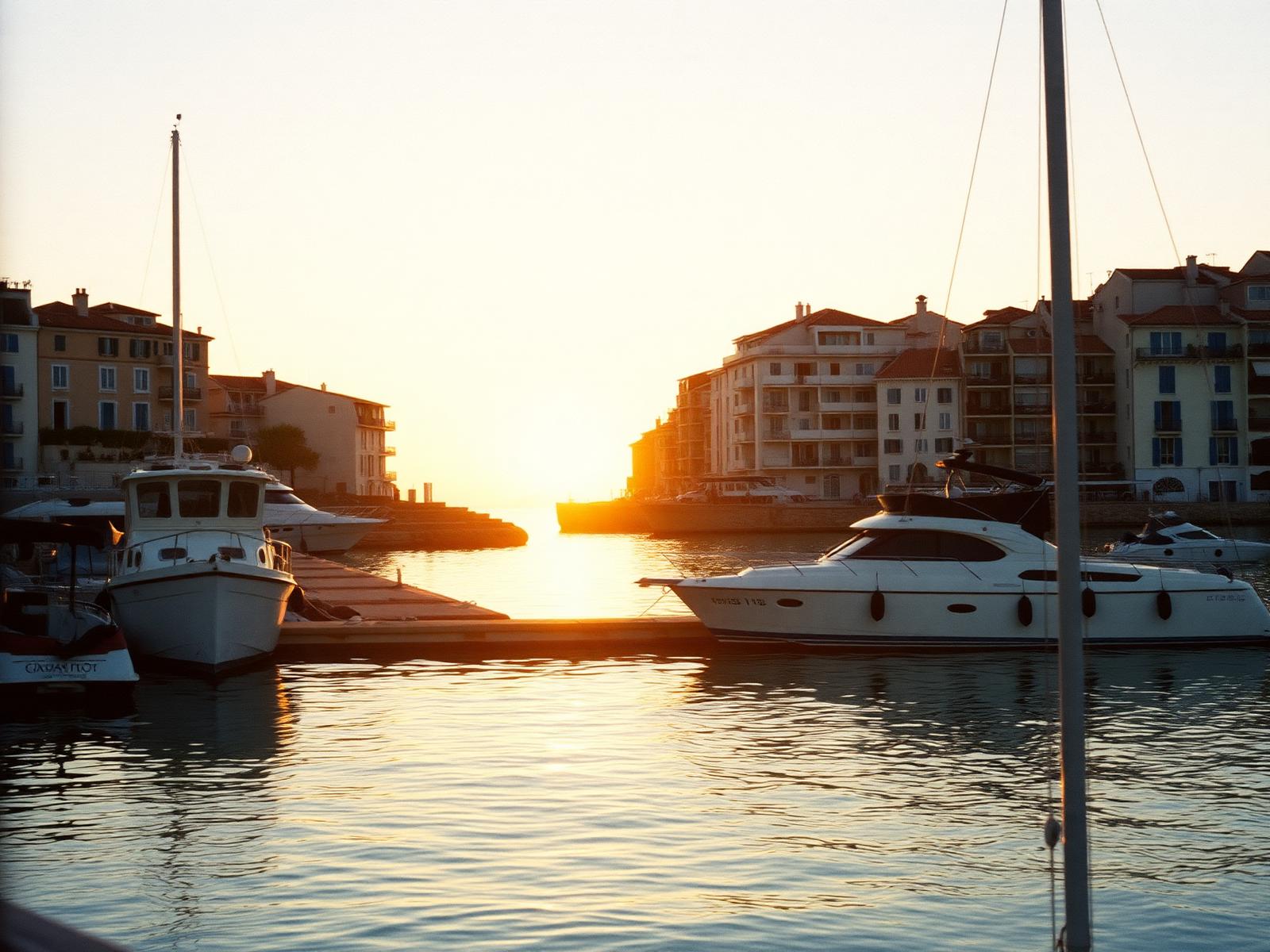
You will love it for the small pleasures. A caprese salad with mozzarella from the mainland, warm bread and a glass of Falanghina. A limoncello poured at the end of a long lunch. The particular way an Italian summer evening begins in the Piazzetta — the four small cafés, the four small crowds, the church bell at seven, the light on the buildings turning honey-gold.
Marina Grande — the arrival
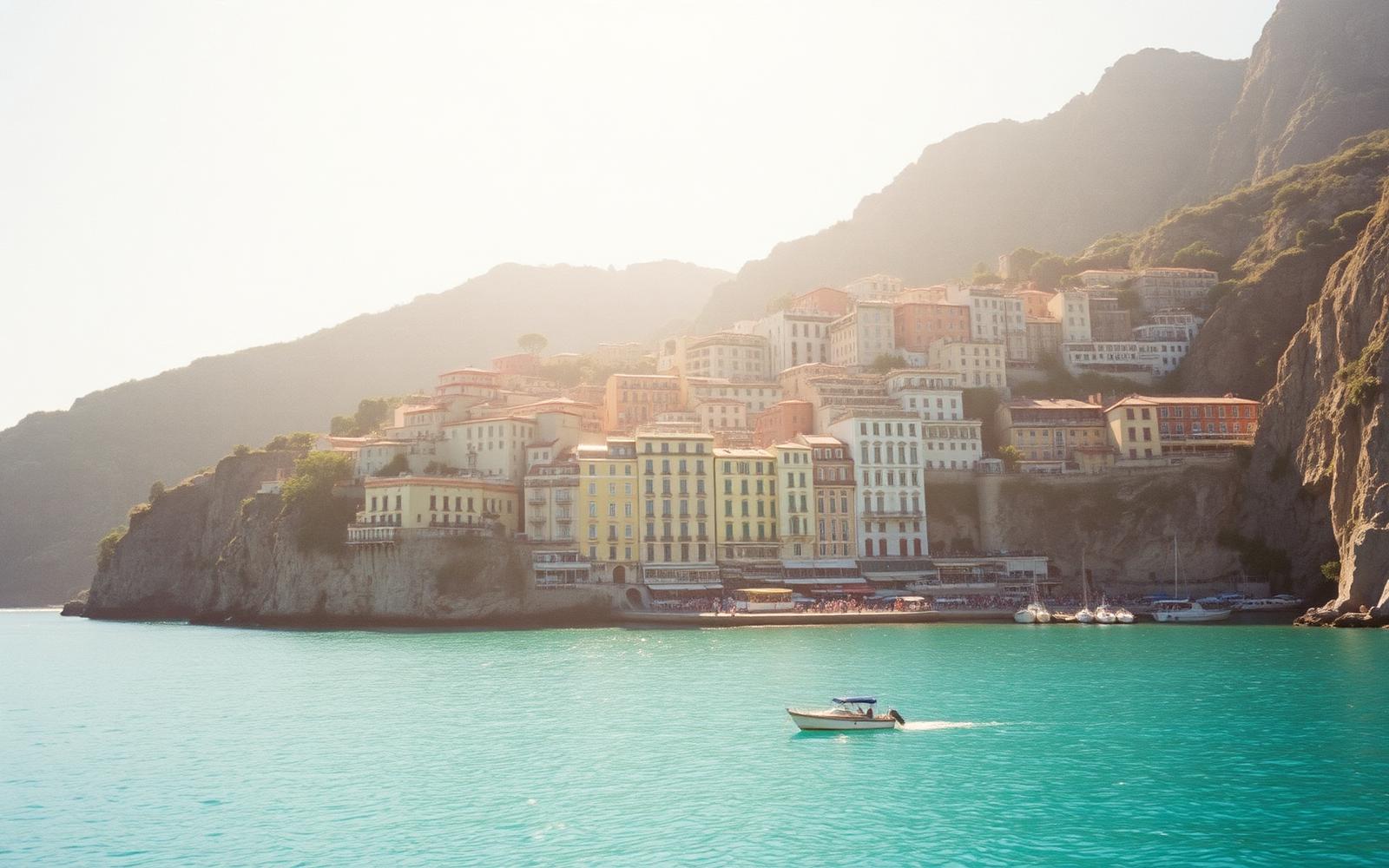
You arrive at Marina Grande, the island's small working port, on a hydrofoil from Naples or a private boat from Positano. The first impression is a good one: pastel houses stacked against the cliff, wooden fishing boats moored in the harbour, the funicular waiting to carry you up to Capri town in three minutes. Skip the funicular queue if you can. Take a taxi — one of the open-topped white Fiats that have circled the island since the 1960s — and let the drive do the arriving for you.
Marina Grande itself deserves an afternoon. Have a lunch of fritto misto at Da Paolino under the lemon trees (book long ahead), or a quick plate of vongole at Lo Zodiaco on the water. Then a swim at the tiny pebble beach at the end of the harbour — nothing glamorous, but often nearly empty at three in the afternoon.
The Piazzetta — the island's living room
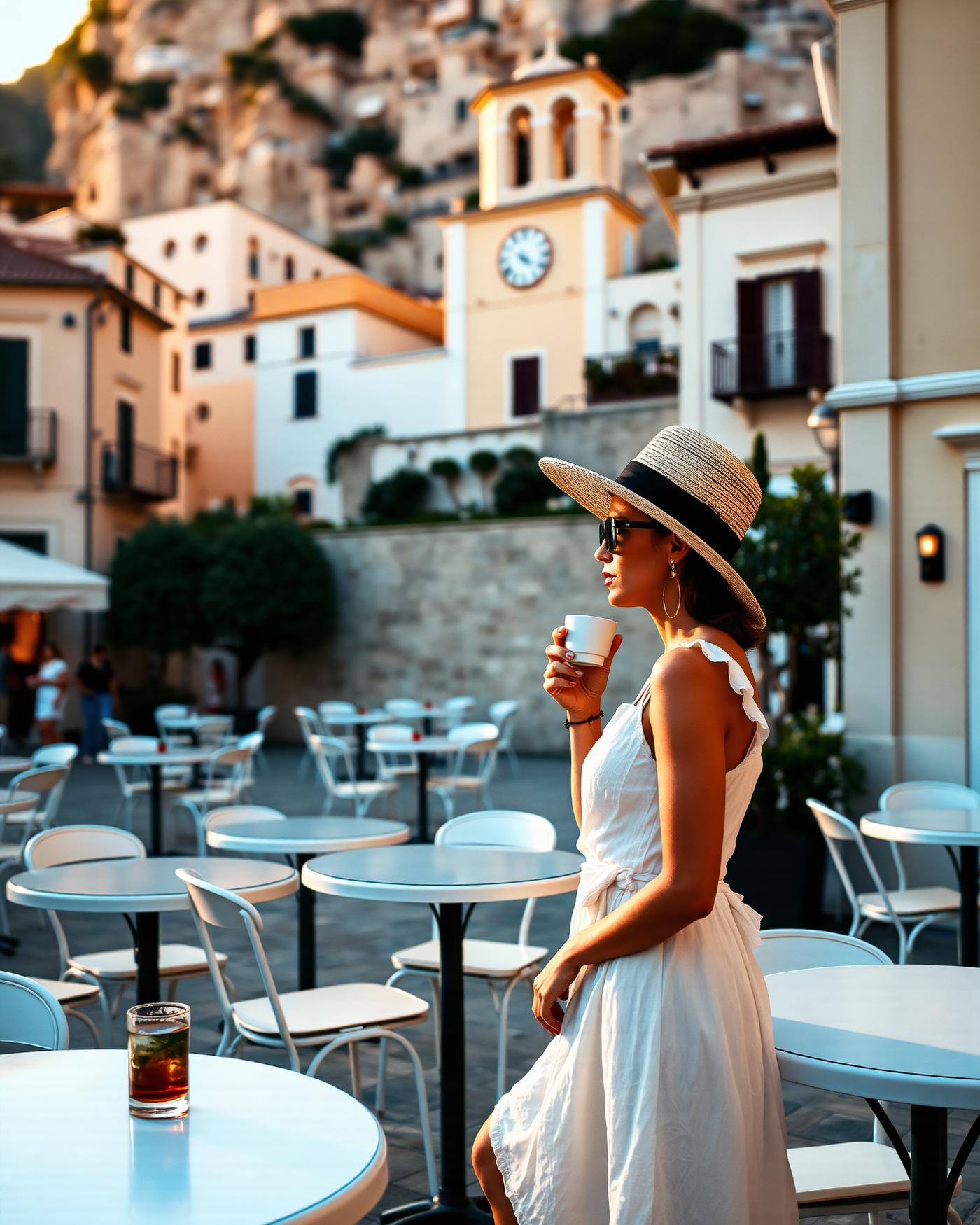
Every Italian town has a piazza. Capri has the Piazzetta — officially Piazza Umberto I, unofficially the smallest, most theatrical square in the Mediterranean. Four cafés share the space, each with its cluster of white bistro chairs, each with its steady rotation of the same residents at the same tables at the same times of day. It is where the island talks, watches and, when the light is right, briefly performs itself.
The rituals are simple and non-negotiable. A morning espresso and a cornetto at Gran Caffè, standing at the marble counter with the locals. An afternoon granita di limone at Bar Tiberio, in the shade. A pre-dinner negroni sbagliato at Piccolo Bar, at seven, when the entire island seems to pass through and the church bell of Santo Stefano keeps time.
Do not eat dinner in the Piazzetta. Have your aperitivo there, then walk five minutes into the quieter streets for the meal itself. The Piazzetta is for watching, not for eating.
Via Camerelle & the boutique shopping
Via Camerelle is Capri's high-luxury shopping street — a discreet, whitewashed lane lined with the small-format boutiques of the great Italian houses. Prada, Ferragamo, Valentino, Bulgari, Missoni. What makes the shopping here quietly extraordinary is the format: these are proper archives-in-miniature, curated for the resort mood, often with pieces you will not find in Milan.
The parallel Via Le Botteghe, one street inland, is the local shopping street — smaller boutiques, ceramics, resort wear at more reasonable prices, and the everyday shops that make you understand Capri actually has residents. Wander both. The intersection between the two lanes is where the island's shopping ecosystem lives.
Leave a full morning for it. Bring cash. Ask for the small-batch pieces stored in the back — most boutiques hold their best resort pieces for the walk-in who asks politely.
Best luxury hotels
Where you stay on Capri is the trip. The island's great hotels are all discreet, service-obsessed, and worth booking eight to twelve months ahead for the best rooms. These are our editors' favourites — all entirely different in character, all in the highest tier.
- Hotel Villa Marina Capri — the island's most understated grand hotel, in a converted cliffside villa above Marina Grande. Sea-view infinity pool, an intimate spa, and the discretion the wealthy end of the guest list requires.
- Grand Hotel Quisisana — the classic. Since 1845, on Via Camerelle, with two pools, a garden of lemon trees and a bar (the Krug Room) that has been the island's meeting place for a century.
- Capri Palace, Anacapri — a slightly more contemporary, art-filled hotel high up in Anacapri, with a Michelin-two-starred restaurant (L'Olivo) and the finest medical spa in Italy.
- J.K. Place Capri — a small, family-run, exquisitely designed hotel overlooking Marina Grande. Twenty-two rooms, a boat that will collect you from the port, and the finest breakfast on the island.
- Punta Tragara — a Le Corbusier-designed cliffside hotel with the island's best view of the Faraglioni. Two saltwater pools carved into the rock. Book a Faraglioni-view suite.
Best boutique hotels
If the grande dame hotels feel too formal, Capri also has a small collection of intimate, family-run addresses — often with fewer than twenty rooms, in converted villas, with the character the larger hotels sometimes lack.
- Villa Marina Anacapri — a considered, whitewashed boutique hotel a short walk from the cable-car station, with lemon-tree gardens and one of the island's quietest pools.
- Hotel Villa Sarah — a nine-room family villa near the Piazzetta, with a lush garden and the warmest welcome on the island. Book the terrace room.
- La Minerva — a small hotel carved into the cliff above the Certosa, with private balconies over the Faraglioni.
- Villa Krupp — the historic villa where Lenin and Gorky once stayed, now a modest, characterful hotel above the Gardens of Augustus. Nothing showy; unbeatably located.
Best cafés & morning rituals
Capri's cafés are the island's most important cultural institution. A coffee at the right one, at the right hour, is a proper introduction to how the place works.
- Bar Tiberio, Piazzetta — the classic for a granita di limone under the awning. Order the almond biscuits.
- Buonocore, Via Vittorio Emanuele — the island's finest gelato and the best pastry counter. The waffle cones are made in the window.
- Al Piccolo Bar, Piazzetta — the Piazzetta's most stylish café, since 1935. The best negroni sbagliato at seven.
- Da Costanzo, Anacapri — proper Neapolitan coffee, standing at the counter, in the quieter town of Anacapri.
- Pasticceria Colombo, Via Roma — for the delizia al limone, the island's signature pastry.
Best restaurants
Capri is not a Michelin-tasting-menu island — the pleasure here is a plate of spaghetti alle vongole, a bottle of Falanghina and a table with a view. That said, the great addresses are very great indeed. Reserve everything. In August, reserve two months ahead.
- Da Paolino, Marina Grande — dinner under a canopy of ripening lemon trees. The most romantic table on the island; the fritto misto is unmissable.
- Le Grottelle, near Arco Naturale — a cave restaurant carved into the cliff, with a terrace that hangs over the eastern coast. Order the ravioli capresi.
- L'Olivo at Capri Palace — two Michelin stars, in Anacapri, for the meal to plan the trip around. The tasting menu is worth the drive.
- Da Gemma, Via Madre Serafina — an unpretentious family trattoria a short walk from the Piazzetta. The pizza is the best on the island.
- Il Riccio, Anacapri — the beach-club restaurant of the Capri Palace, at sea level, with the most refined lunch on the coast and a legendary dessert room.
- Lo Zodiaco, Marina Grande — a workaday harbourside classic; go for the fresh anchovies and the linguine al limone.
Best beach clubs
Capri has almost no natural beaches. What it has are cliffside platforms and small clubs where you rent a chaise, a towel and lunch by the day. Book the morning before, always. All are best reached by boat.
- La Fontelina — umbrellas on a rocky platform at the foot of the Faraglioni. The best carpaccio on the island. Book weeks ahead in August.
- Il Riccio, Anacapri — the most refined beach club on the coast, with a sea-view lunch that rivals any restaurant.
- Da Luigi ai Faraglioni — a rustic, whitewashed classic next to the Faraglioni. Cold rosé, grilled fish, no signal.
- Bagni di Tiberio — a quieter club on the north-west coast, reachable only by boat. A pebble beach, a good lunch and a swim in the Roman-era harbour of Emperor Tiberius.
- Torre Saracena, Marina Piccola — the island's most convenient beach club, with a proper restaurant terrace and the calmest swimming water on the coast.
Best shopping — sandals & perfume
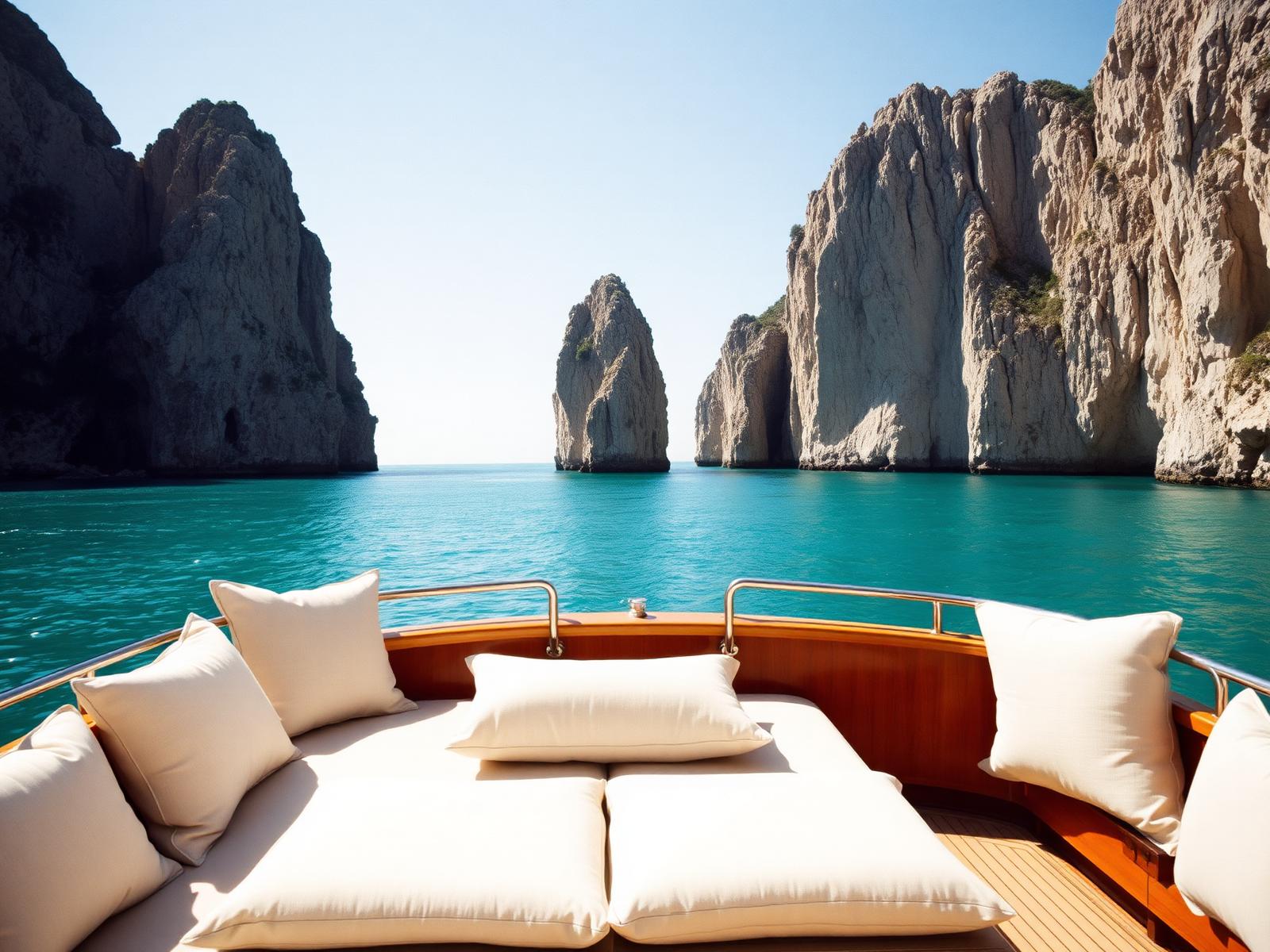
Beyond the luxury houses on Via Camerelle, Capri has two small artisan traditions worth planning around: handmade leather sandals and locally distilled citrus perfumes. Both are the island's original souvenir, and both have workshops that will make something for you in a morning.
- Canfora, Via Camerelle — the island's most famous sandal-maker since 1946. Bespoke pairs in twenty-four hours. Ask for the Jackie Kennedy design.
- Da Costanzo, Via Roma — small, family-run, and often the sandal-maker of choice for the more design-conscious visitor.
- L'Arte del Sandalo Caprese, Anacapri — for the highest-craft work, made to measure by Antonio Viva in his tiny workshop.
- Carthusia, Via Camerelle — the island's historic perfumer, distilling local rosemary, wild carnation and lemon into fragrances that have been made in Capri since 1948. The Fiori di Capri eau de parfum is the classic.
- La Parisienne, Piazzetta — for the resort clothing (they invented the capri pant for Jackie Kennedy in 1961; they still make it beautifully today).
Best hidden gems
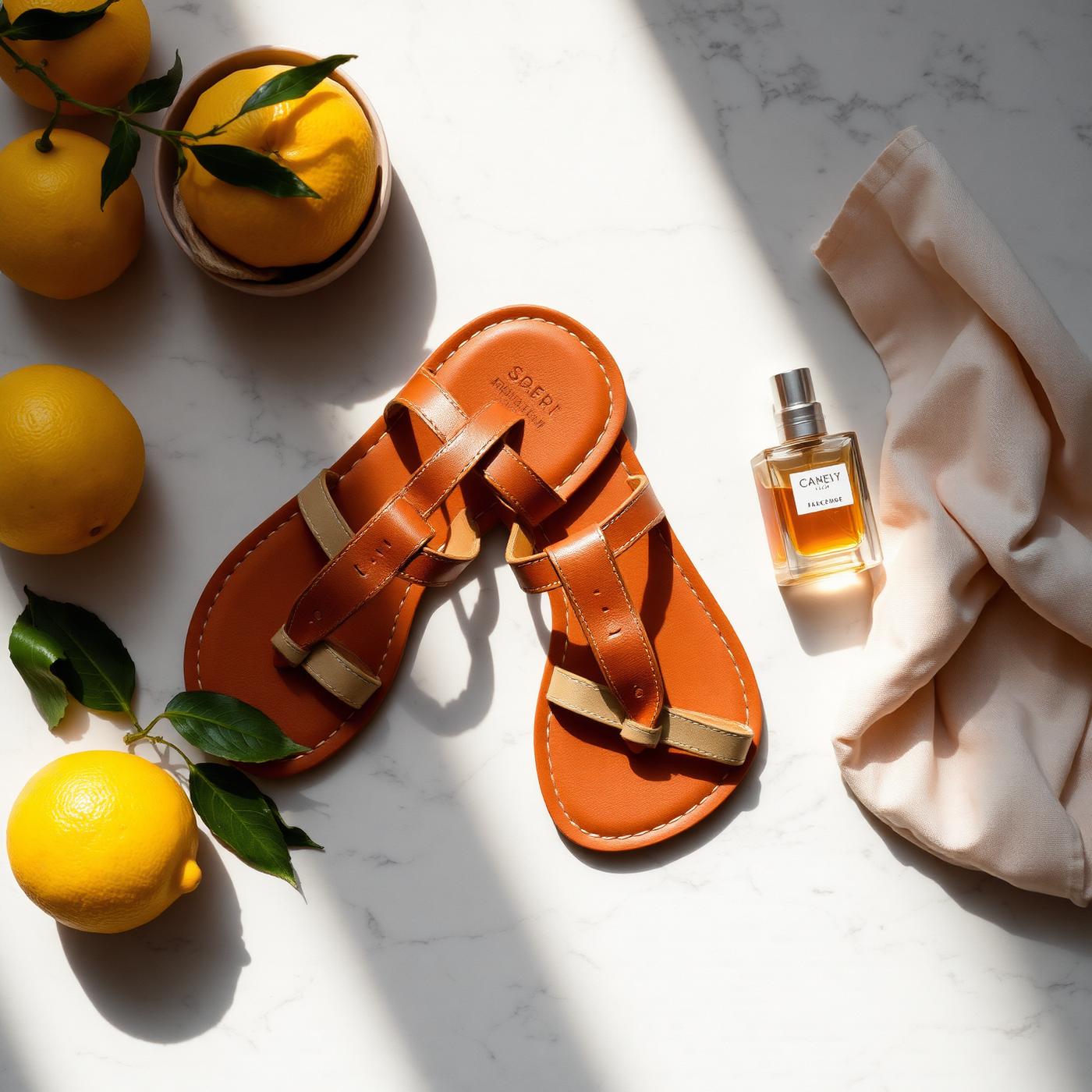
The obvious Capri — the Piazzetta, the Faraglioni, the Blue Grotto — is worth its reputation. The quieter Capri, if you have the time, is where the island reveals itself.
- The Pizzolungo path — a two-kilometre cliff walk from Punta Tragara to the Arco Naturale, past the Grotta di Matromania and villa gardens spilling over the sea. Go at nine in the morning.
- Villa Lysis — a beautiful Art Nouveau villa built by the exiled poet Jacques d'Adelswärd-Fersen, largely empty of visitors, with a garden path that ends at a Roman lighthouse.
- The Gardens of Augustus at sunset — the classic viewpoint of the Faraglioni, best visited when the day-trippers have left.
- Bagni di Tiberio — the ruins of Emperor Tiberius's private harbour on the north-west coast, reachable only by boat, and a beach club that has almost nothing to do with the twenty-first century.
- Anacapri's back streets — Via Orlandi and its side lanes, quieter, less commercial, and often where the island's most interesting small design shops still are.
Most beautiful photo spots
Capri photographs beautifully — but the most photographed views are also the most crowded. A short list of the reliably lovely spots, with notes on the best time.
- Gardens of Augustus — the classic panoramic Faraglioni view. Go at 8 a.m. or after 6 p.m.
- Villa San Michele, Anacapri — the marble Sphinx terrace, with the sea a thousand feet below. Golden hour is magical.
- Punta Tragara belvedere — a small viewing platform above the Faraglioni, with the island's most classical Grand-Tour view.
- Via Krupp — the switchback stone path zigzagging down the cliff to Marina Piccola; photographed from the Gardens of Augustus above.
- The Arco Naturale — a natural stone arch on the east coast, best captured from the small viewing platform at the end of the path.
The Blue Grotto & Monte Solaro
The Blue Grotto — the sea cave where sunlight enters through an underwater opening and turns the water an impossible electric blue — is Capri's most famous natural wonder. Go early (before 11 a.m.), on a calm-sea day, and accept that the experience itself is brief and touristic. It is nevertheless worth doing once. Take the small rowing boat from the entrance; do not swim in (illegal, and for good reason).
For a completely different perspective, take the chairlift from Anacapri to the summit of Monte Solaro — 589 metres, twelve minutes each way, and the highest point on the island. On a clear day the view extends from Vesuvius to the Amalfi Coast to the mountains of Calabria. Go at 10 a.m. Have a coffee at the small bar at the summit. Walk down through the pine forest if you have the shoes for it.
What to wear on Capri
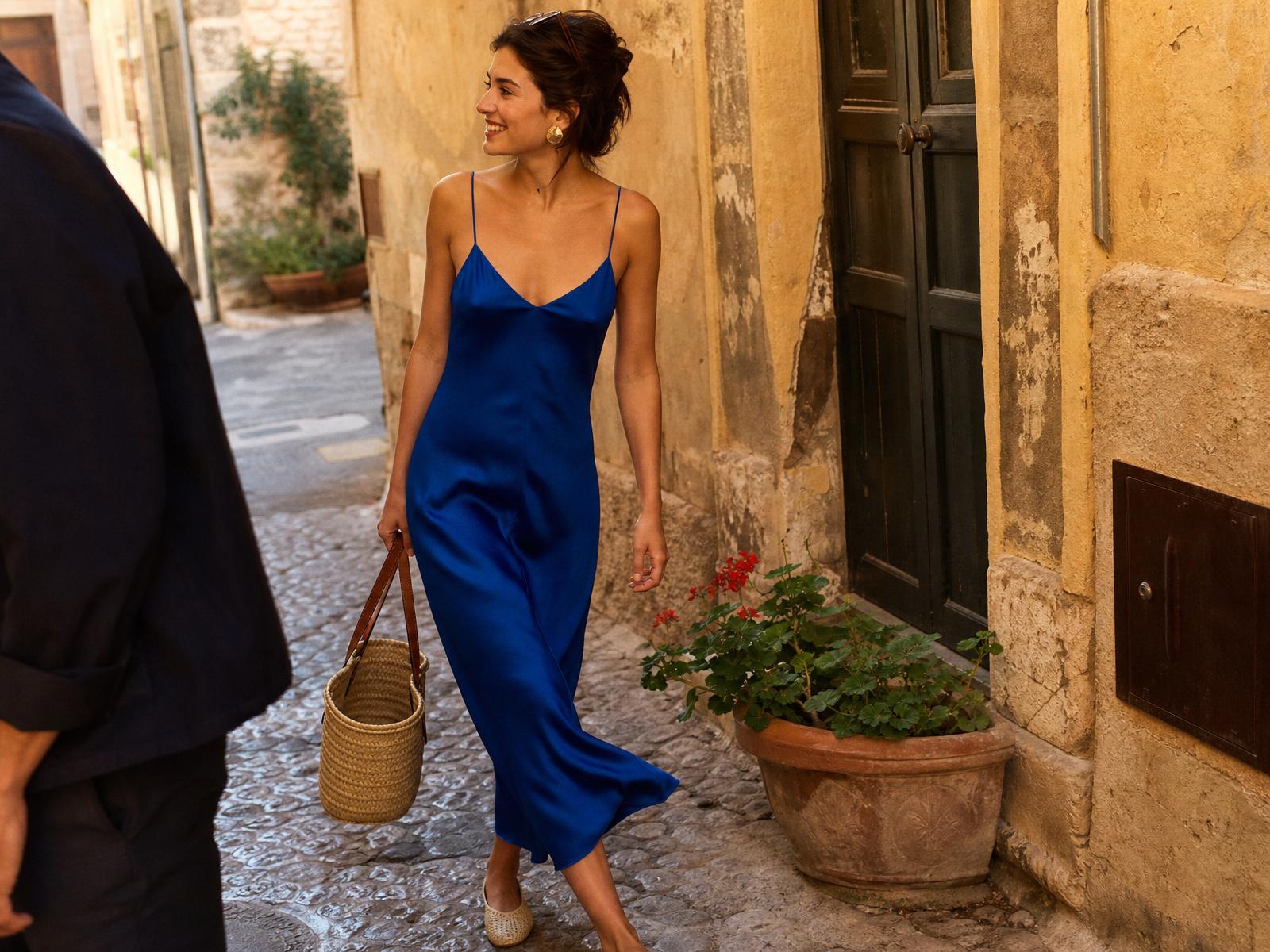
Capri has a dress code — unwritten, unspoken, universally observed. The rules are simple: wear white or cream; wear linen; wear flat shoes on the stone paths; and dress up, quietly, for dinner. The island is not the place for logo-heavy resort wear or beach cover-ups on the Piazzetta.
The uniform for daytime: a white linen dress or wide-leg trousers with a cream silk camisole, a straw hat, gold hoops, tan leather sandals, and a straw or raffia bag. For dinner: a longer linen or silk dress in cream, white, black or a Missoni-esque zigzag; a pair of low leather heels; and one considered piece of gold jewellery. For the boat: a linen shirt over a swimsuit, a wide-brim hat, a Carthusia perfume and a good SPF.
For a longer read on the palette, our companion piece Vacation Outfit Ideas for an Elegant European Summer covers the exact colour combinations that photograph well against Mediterranean stone.
Beauty essentials for the trip
The Italian summer is bright, dry and unforgiving on the skin. The essentials are not many, but they are non-negotiable: a high-protection SPF, a hydrating mist, a tinted lip balm, a bronzing cream and a light fragrance that works with sun and sea.
Our editors travel with a mineral SPF 50 for the face, a light-textured body sunscreen, a facial mist for reapplication throughout the day, and a single warm cream blush that reads like sun on the cheeks. Skip heavy foundation. Add a swipe of tinted lip oil and a soft brown mascara; that is the summer face. For fragrance, Carthusia's Fiori di Capri (bought on the island) or an Italian citrus eau de cologne is the natural choice.
For a deeper protocol, our companion piece The Ultimate Summer Skincare Routine for Glowing Skin covers the exact morning and evening ritual, including our SPF and after-sun favourites.
The perfect 3-day itinerary
Three days on Capri is enough to see the island properly, without rushing. This is our editors' preferred rhythm.
- Day 1 — Capri town. Coffee at Bar Tiberio. A walk through the Gardens of Augustus and down the Via Krupp switchback to Marina Piccola. Lunch at Torre Saracena. Shopping on Via Camerelle. Aperitivo at Piccolo Bar in the Piazzetta. Dinner under the lemon trees at Da Paolino.
- Day 2 — a day on the water. A private wooden gozzo boat from Marina Grande at ten. A tour of the coast: the Blue Grotto, the Faraglioni, the Grotta Verde and the Grotta Bianca. Lunch at La Fontelina at the foot of the Faraglioni. Back at five for a granita in the Piazzetta. Dinner at Le Grottelle in the cave restaurant near the Arco Naturale.
- Day 3 — Anacapri. Taxi up to Anacapri after breakfast. The chairlift to Monte Solaro at ten. Late-morning at Villa San Michele. Lunch and swimming at Il Riccio. A late-afternoon walk through Anacapri's quieter streets. Dinner at L'Olivo at the Capri Palace — the meal to end the trip on.
Best time to visit
The Capri season runs from Easter through late October. The very best months are early June and mid-to-late September — the sea is warm, the crowds are thinner, the light is the softest of the year and the hotels are usually a little more available. May is beautiful but the sea is often too cold to swim. October is quieter still but many of the beach clubs and boat tours begin to close after the second week.
Avoid August if you can — the crowds are at their peak, the prices are at their highest and the ferry queues at Marina Grande are long enough to test any temperament. If August is your only option, stay two full nights, use the mornings and evenings well, and make peace with the middays.
Final thoughts
Capri's genius is that it has, for two thousand years, been in on its own joke. It knows it is small. It knows it is crowded. It knows it is the postcard. It does not mind. What it offers, quietly, to the traveller willing to stay two nights instead of an afternoon, is something the day-trippers never see: the island in the pale-blue hour after the last ferry leaves, the Piazzetta half empty at eleven at night, the sea path to Punta Tragara at six in the morning with no one on it at all.
Book the hotel with the good breakfast. Order the granita every afternoon. Have your Carthusia bottle wrapped in tissue and take it home. Come back next June.
Continue reading: The Amalfi Coast Travel Edit and The Beauty Edit Guide to Saint-Tropez.