Physical vs Chemical Sunscreen: A Clear Guide
One sits on the skin, one is absorbed by it. Both can be excellent. Here is how to choose.
By Isla Bennett · February 25, 2026 · 5 min read
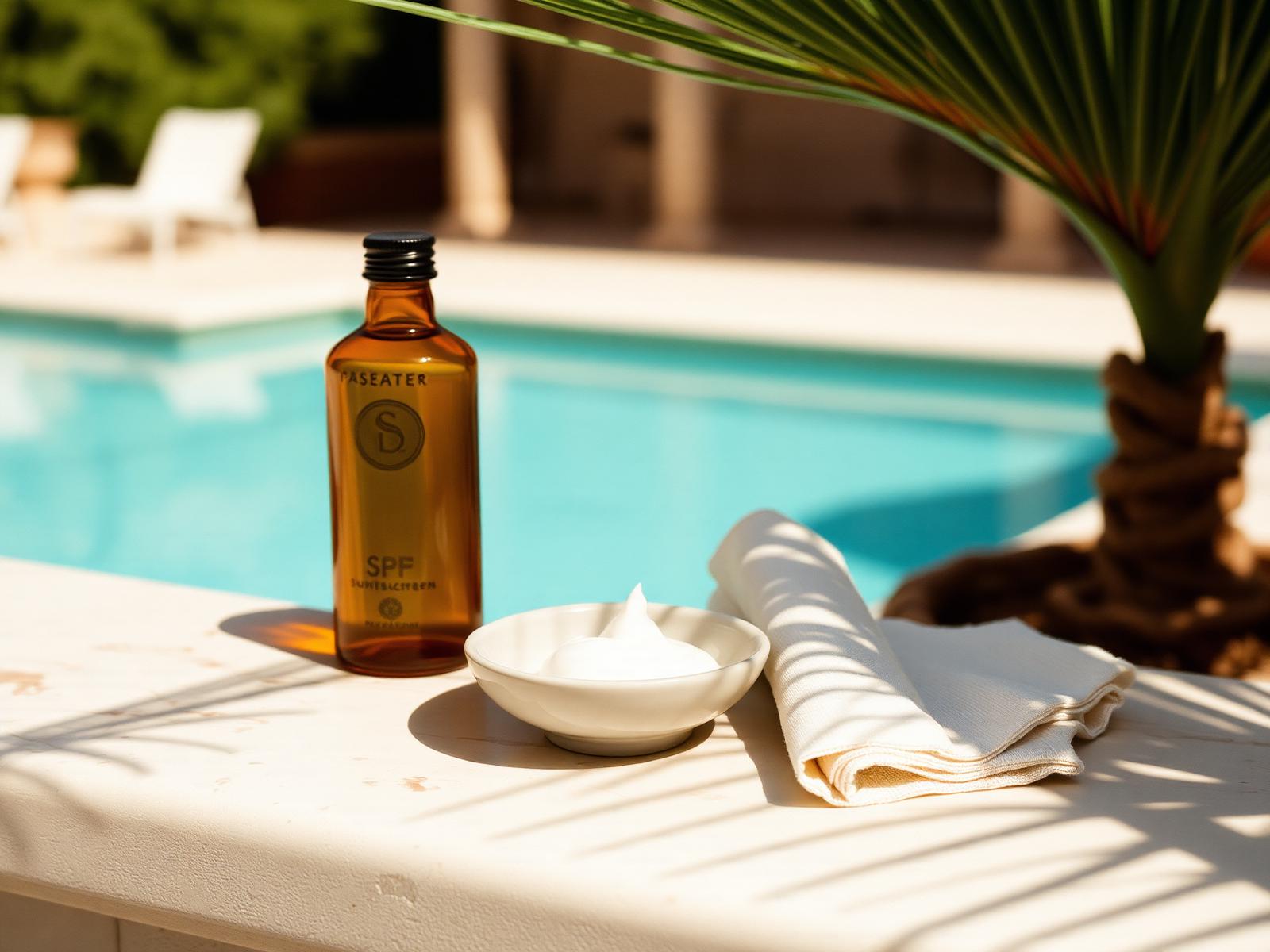
Sunscreen is the closest thing modern skincare has to a non-negotiable. Daily, broad-spectrum SPF prevents the majority of visible skin aging and dramatically reduces the risk of skin cancer. The remaining question is one of texture and chemistry: physical or chemical?
Physical (mineral) sunscreens
Mineral sunscreens use zinc oxide or titanium dioxide to form a thin protective layer that reflects and scatters UV light. They begin working the moment they are applied, sit well on sensitive or reactive skin, and are widely recommended for pregnancy and post-procedure use.
The trade-off is aesthetic: older mineral formulas can leave a white cast, particularly on deeper skin tones. The newest generation of micronised and tinted formulas have largely solved this.
Chemical sunscreens
Chemical filters — avobenzone, octinoxate and, in Europe and Asia, far more elegant molecules like Tinosorb and Mexoryl — absorb UV light and convert it into heat. They are typically lighter, more invisible under makeup and better suited to humid climates.
The European and Korean filter systems are among the most cosmetically refined in the world; if you travel, it is worth stocking up.
How to choose
There is no single right answer. The best sunscreen, as every dermatologist will tell you, is the one you will actually wear every day.
- Sensitive or reactive skin: lean mineral
- Oily, combination or makeup-wearing skin: a modern chemical or hybrid formula
- Outdoor sports and water: a water-resistant SPF 50, reapplied every two hours
- Daily city use: SPF 30–50, broad-spectrum, applied generously
The best sunscreen is the one you reach for without thinking.
Find a formula you genuinely enjoy wearing — and then wear it. It is the most powerful longevity product you will ever own.